News
News >
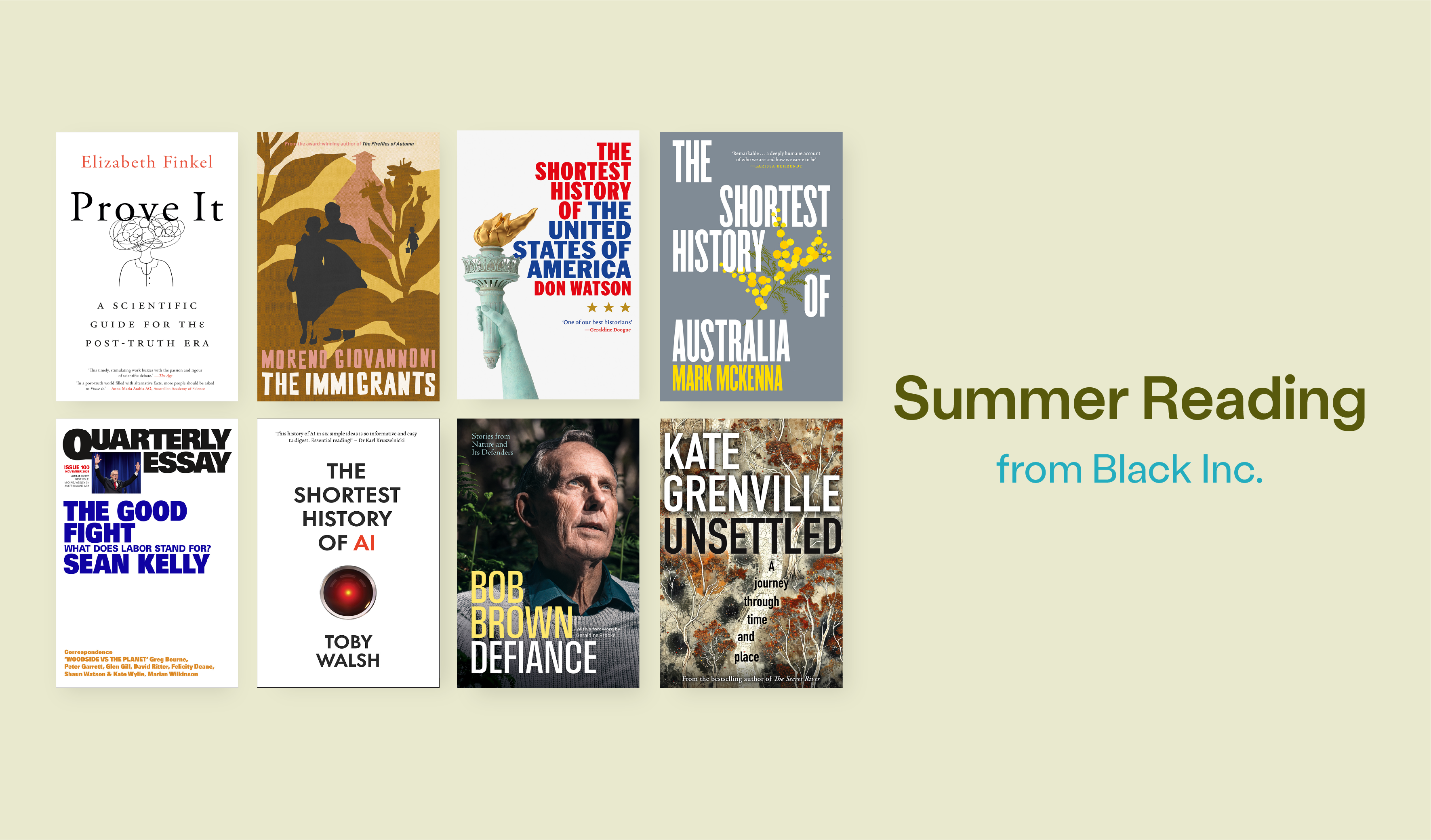
Black Inc. Summer Reading
Recommended reading from Black Inc. to enjoy this summer
Looking for your next great summmer read? Try a sample chapter from some of our 2025 highlights!
Want more than a chapter? Visit your local bookseller and pick up a copy to enjoy this summer.
Please note that our office is closed from EOD Friday, 19 December, and reopening on Monday 5 January.
Wishing you a wonderful summer, and we’ll see you in 2026!
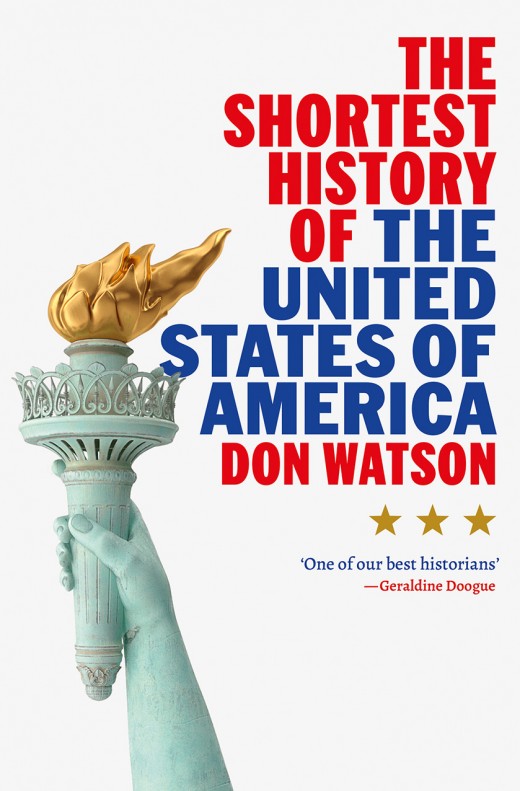
The Shortest History of the United States of America by Don Watson
In this superbly written book, Don Watson traces how the central conflicts of the United States – those over freedom, race, frontiers, enterprise, religion and violence – play out throughits history: a country at war with itself in the 1860s, the leader of the free world less than a hundred years later, and a nation beset by wild division and turmoil in the twenty-first century.
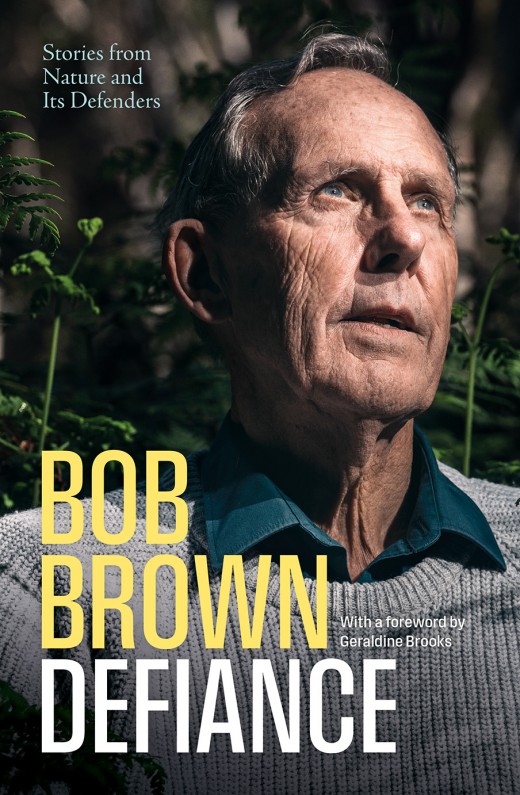
Defiance: Stories from Nature and Its Defenders by Bob Brown
For half a century, Bob Brown has been standing up to the powerful interests who would put profit before planet.
In Defiance, he draws on this experience to inspire a new generation of individual and collective action. He reflects on the people and places that have shaped him, celebrates the irreplaceable beauty and value of nature and shares what motivates him to keep fighting. He considers the challenges facing nature’s defenders – hostile corporate lobbyists, vilification in the press, the powerful pull of consumerism – and shows how courage, persistence and community can defeat them all.
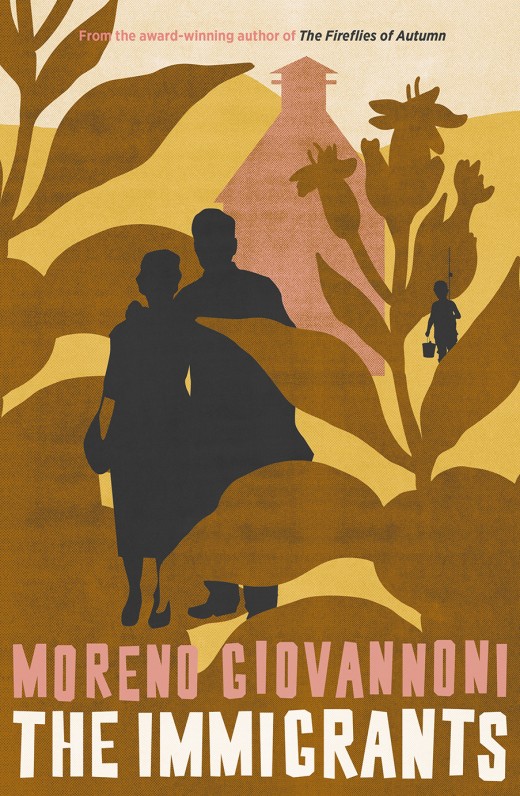
The Immigrants: Fabula Mirabilis, or A Wonderful Story by Moreno Giovannoni
In The Immigrants, Moreno Giovannoni depicts a family as they build a new life in a strange land. Through love and exile, industry and tragedy, their unspoken dreams and fears unfold in this astonishing and moving book.
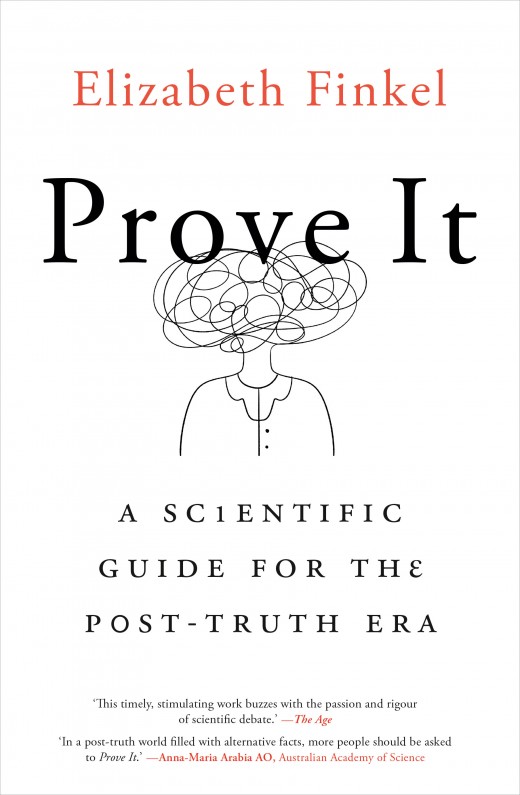
Prove It: A Scientific Guide for the Post-Truth Era by Elizabeth Finkel
In Prove It, Elizabeth Finkel describes how the scientific method plays out in a series of controversies, from proving the existence of Einstein’s gravitational waves to identifying the origins of Covid-19, from understanding human origins to defining consciousness. Through these tales of dispute and discovery, she breaks down the key elements of scientific thinking.
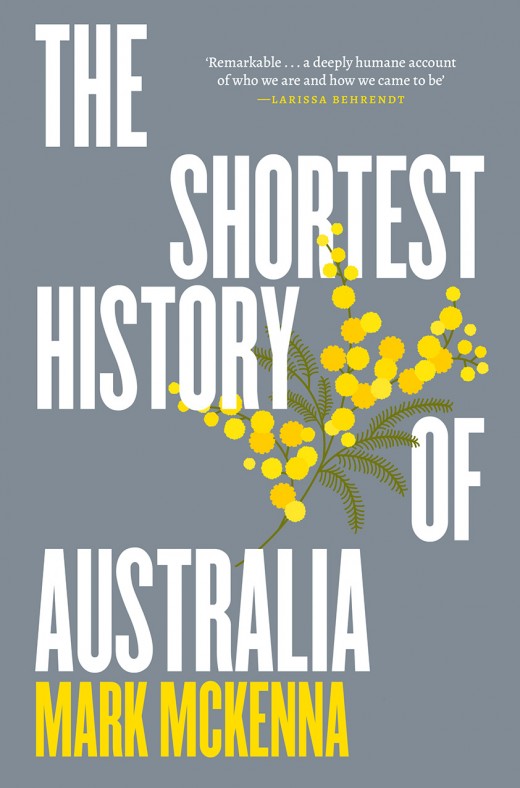
The Shortest History of Australia by Mark McKenna
In The Shortest History of Australia, Mark McKenna offers a compelling new version of our national story. This is a modern Australia permeated by First Nations history; a multicultural society with an island mindset; a continent of epic beauty and extreme natural events; a country obsessed by war abroad but blind to its founding war at home; and a thriving nation-state still to realise its political independence.
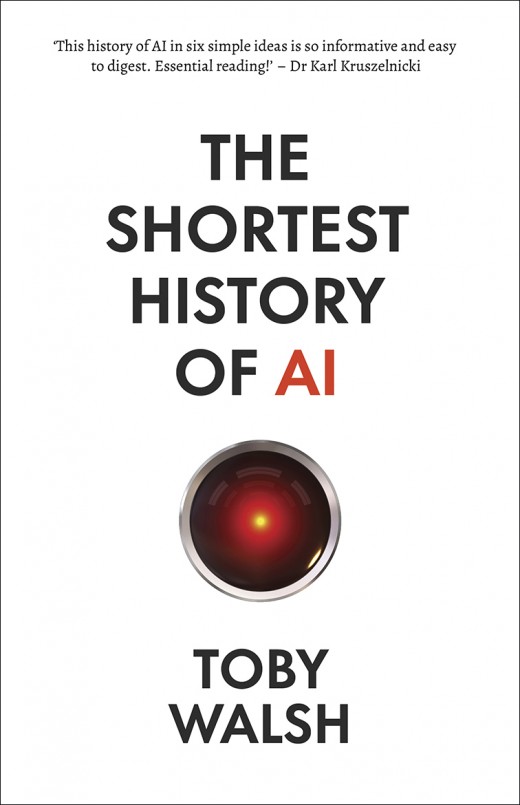
The Shortest History of AI by Toby Walsh
Revealing how many ‘overnight’ successes were decades in the making, this accessible and illuminating book simplifies AI into six key ideas, equipping readers to understand where we’ve been – and where we’re headed.
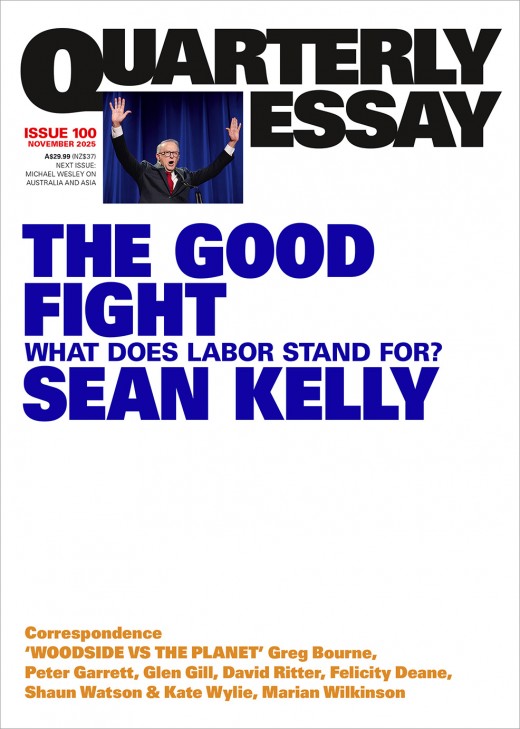
The Good Fight: What Does Labor Stand For?; Quarterly Essay 100 by Sean Kelly
In Quarterly Essay 100, Sean Kelly considers the enigma of the Albanese government. With wide yet shallow support, will it change the country? Does it have big ideas, or is it content just to become "the natural party of government"?
Kelly gives a definitive account of Albanese's political style and asks what lies behind it. In speaking to a fragmented, disengaged electorate, the Prime Minister places a high value on moderation. Often that means ducking fights with entrenched interests. But this runs the risk of embedding an ever more unequal nation, led by a government that can seem gutless.
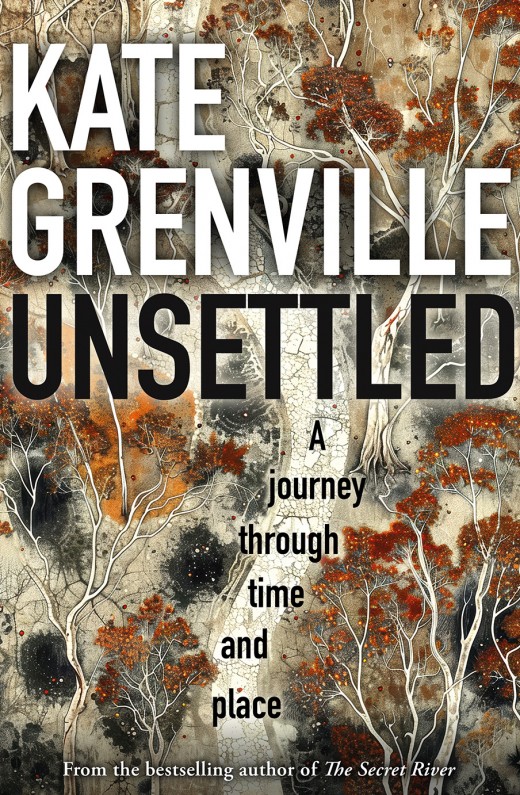
Unsettled: A Journey Through Time and Place by Kate Grenville
Kate Grenville is no stranger to the past. Her success and fame as a writer exploded when she published The Secret River in 2005, a bestseller based on the story of her convict ancestor, an early settler on the Hawkesbury River.
More than two decades on, and following the defeat of the Voice referendum, Grenville is still grappling with what it means to descend from people who were, as she puts it, ‘on the sharp edge of the moving blade that was colonisation’.