News
News > Q&A
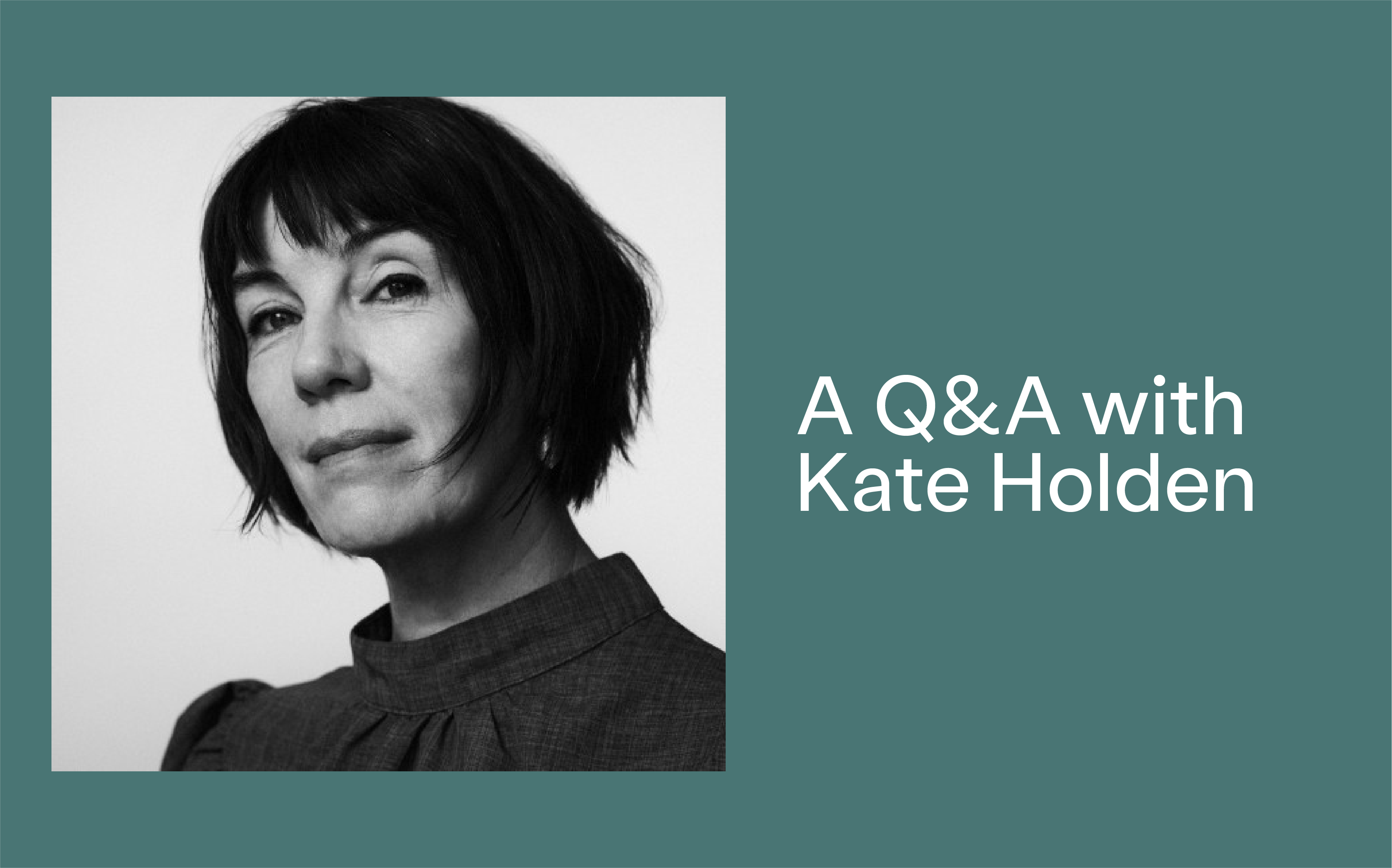
A Q&A with Kate Holden, author of The Ruin of Magic
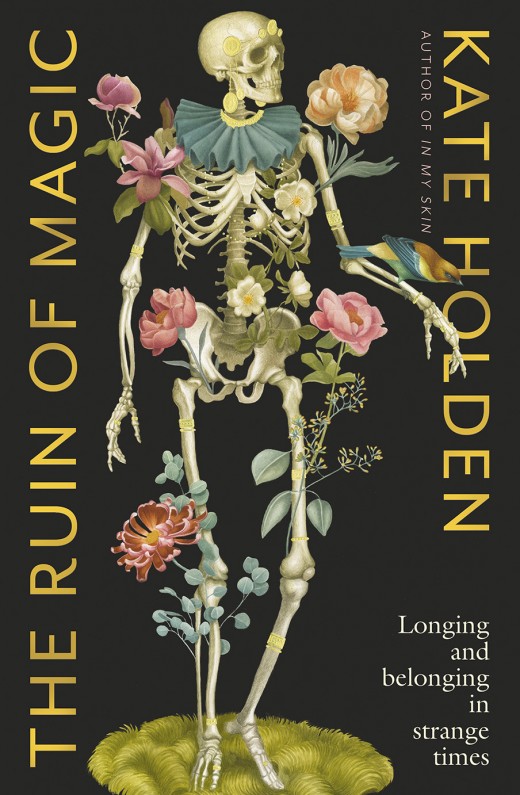
Kate Holden, author of two highly praised memoirs, In My Skin and The Romantic, and the Walkley Award–winning The Winter Road, chats with us about writing, nostalgia and malaise in our modern times – subjects she explores at length in her collection of literary essays, The Ruin of Magic, which publishes 7 April.
The Ruin of Magic laments the loss of magic in our modern times but also argues against too much nostalgia. Is this a challenging balance – appreciation for the past, but optimism in the present, and for the future?
It‘s hard not to be nostalgic when so many things in the present are confronting, and so many things about the future seem ominous. And things have changed so radically in just my lifetime. Looking backwards seems like a reasonable instinct if you're searching for comfort, in an idea that if things are wrong now, perhaps there was a time when they were right. This is an old idea in itself, going back to ancient times when people conceived there had been a Golden Age before some dimming of the light. I feel that this is both correct and naive. Definitely some things used to be better, in my opinion! And one thing was that we had a world – not even so long ago – before global neoliberalism and its ascendence to an axiomatic mentality of flattened affect, of subordinated humanism and cynical commodification of everything, including the mystical or the poetic. I miss that suffused world which was wonky and mortal, even though I'm glad of progress in other ways. But I also know that nostalgia can be a naive or cynical, even specious fantasy that leads to dark places. I ask whether it's possible to recover some of the good things lost, and use those things of grace and integrity to fling us forward to a better way.
Themes of longing and belonging, home and identity permeate the book. What prompted you to write about these ideas?
Well, a few years ago I moved from my ancestral Melbourne to a coastal town in NSW, which is a very different world – and, it seems, a more ‘Australian’ one. That's been an adjustment, and it made me think of what and who and why I am who I am, when the context around me changes. It’s also true of my family’s migration a century or more ago, from Britain to Australia, and this got me contemplating the effects of emigration, exile and whether – or how – it’s possible to belong somewhere when you don’t have the bonds that are usually considered germane to belonging. I long sometimes for other places, and is that because I belong there more? And am I the only Australian who feels this way? I don't think so! Here we have built a house and created a new home, while others have lost their homes from natural disasters or war or ‘domicide’, so all these questions seem timely. I don't have answers, but I do have the questions.
Do you feel the accessories of modern life – AI technologies, social media, digital consumption – interfere with the creation of art?
I don’t know if social media stymies the popularity of art, as there’s so much circulation of art online now – visual art, literature, criticism, film and music. But it can distract us from making our own work, and it can inhibit or intimidate us, and it can entangle us in commercial concerns, and it can substitute mimesis for creation. I can find myself stultified with too much glut of images, find myself flicking bored through screen after screen of marvels. There’s something to be said for restraint, and the digital world is not interested in that, though it facilitates collaboration, and also theft. Also I can't bear the pragmatic stupidity of believing art is a product, rather than an experience – for both the audience and the maker. I dread the day a machine writes my books, while I just look on in a stupor on my couch.
The Ruin of Magic is a unique anthology – weaving memoir and cultural critique. How did the book come to be?
I've been a diligent freelancer and writer for many years, which I relish, but I wanted to finally write about what was on my own mind! I realised that many books I most enjoy have a beguiling intimation that the author has followed her own quest, puzzling on the things that matter most to her. I found my head teeming with questions and conundrums and conversations with myself, so that’s where I began. I can’t pretend a universal wisdom, so my own position and perspective are candidly included, but I also sought out the critical insight and wonderful language of writers and thinkers I admire, so I could incorporate their illumination and also show off their gorgeous work. The book is full of what matters most to me, and which I hope chimes with others too.
Was the writing process for this book significantly different from that of your other works?
Writing this book was very different to my first two books – memoirs that needed few notes except jottings of random memories, and even to The Winter Road, which took masses of academic research. For this one I read and read, made a million assorted notes, gleefully gathered them together into themes, began writing, continued reading and thinking a lot, trying ideas out in conversations, writing the rest (I am very quick once I know what I'm saying) and finished more or less according to my plan, which was half a dozen essays in a sequence, all connected in fundamental preoccupations and recurring themes, but rising and falling in their own voices. I had a beautiful editor, Jo Rosenberg, and sympathetic publisher Sophy Williams helping form the final shape. It's the most personal book I’ve made, in a way, even though it’s full of other people’s quotes and examples. I think it has some of my best writing, too.
You reference, and draw from, many great writers and thinkers in The Ruin of Magic. Are there any books or writings you’d encourage your readers to seek out?
I’ve found myself firmly set in the middle of a great landscape of intellectual and literary tradition, mostly European and some American and some Australian, which mesmerised me though I wanted to include more non-white perspectives. A surprising amount of it was German, and there’s a lot of poetry quoted. I read classics as well as new material, but discovered that past icons like Walter Benjamin, Hannah Arendt, John Berger and Max Weber speak very cogently to our times, while modern writers like Andre Aciman, Katherine May, Olivia Laing and Mary Oliver feel like friends. I have such gladness for their generous insights. Literary nonfiction is, despite the publishing figures, full of brilliant new glories, and those shelves in the bookshop hold some of the most useful and most beautiful thoughts about the world we tumble around in. There’s a lot of sharp thinking going on out there.
Could you offer some advice for emerging writers?
Getting into writing these days must feel like running blindfolded through a maze of hard walls you keep bashing into, but honestly I think there are ways through (like digital publishing), and we need those new voices. There’s apparently so much conformity demanded by publishing, but different and idiosyncratic – and traditionally unheard – perspectives are the most exciting and sometimes more transformative. Save us from bland and conventional literature, new writers!
What are some activities that help you find a sense of wonder, and connect to your passions?
Sometimes, if I’m not feeling dark and misunderstood, just being at a cafe and marvelling at humanity is enough to kick me back into awe. Or, more darkly, the macabre comedie humaine of the daily news. I’m as much of a specimen of homo sapiens as anyone else, of course, so being perplexed and amused by myself is also a readily available tonic! Also, I live in a lustrous landscape, its natural forms and deep histories surround me, so its miracles gladden me while the bounties of literature – oh, poetry – are so great. I honestly am thrilled by encounters with great art and the sense that humans will never ever run out of ways to describe the ocean, or the implausibilities and immensities of our existence. Also, I am in love with my child, and his glorious mysteries will always lead me onwards.

About the author
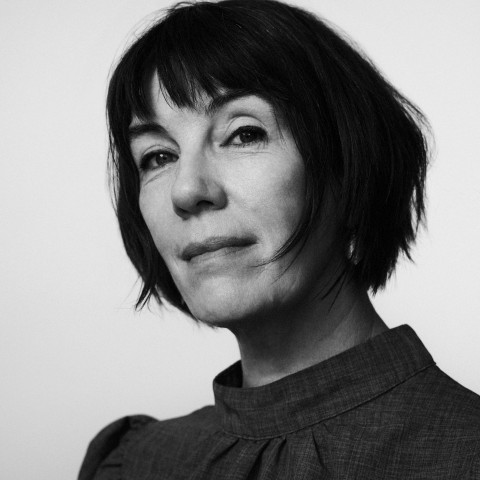
Kate Holden is the author of two highly praised memoirs, In My Skin and The Romantic, and the Walkley Award–winning The Winter Road. She is a regular contributor to The Saturday Paper, The Monthly and The Age.
Author photo by Nick Bowers
More about Kate Holden
Buy the book