News
News > Q&A
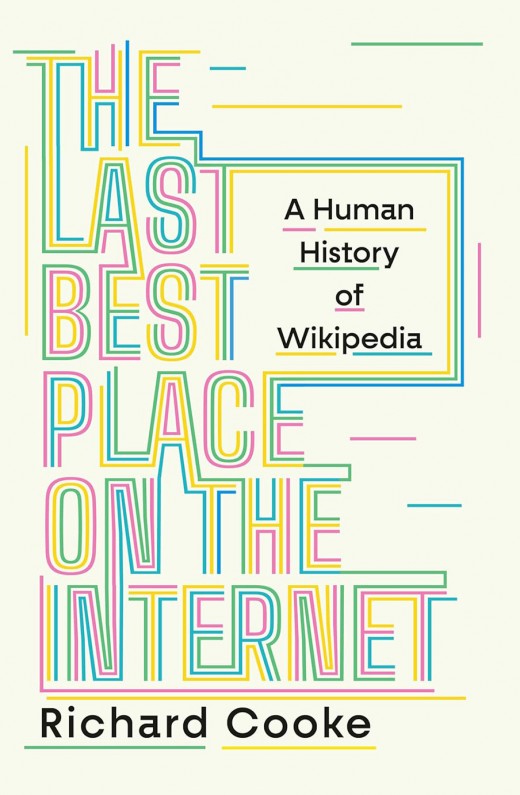
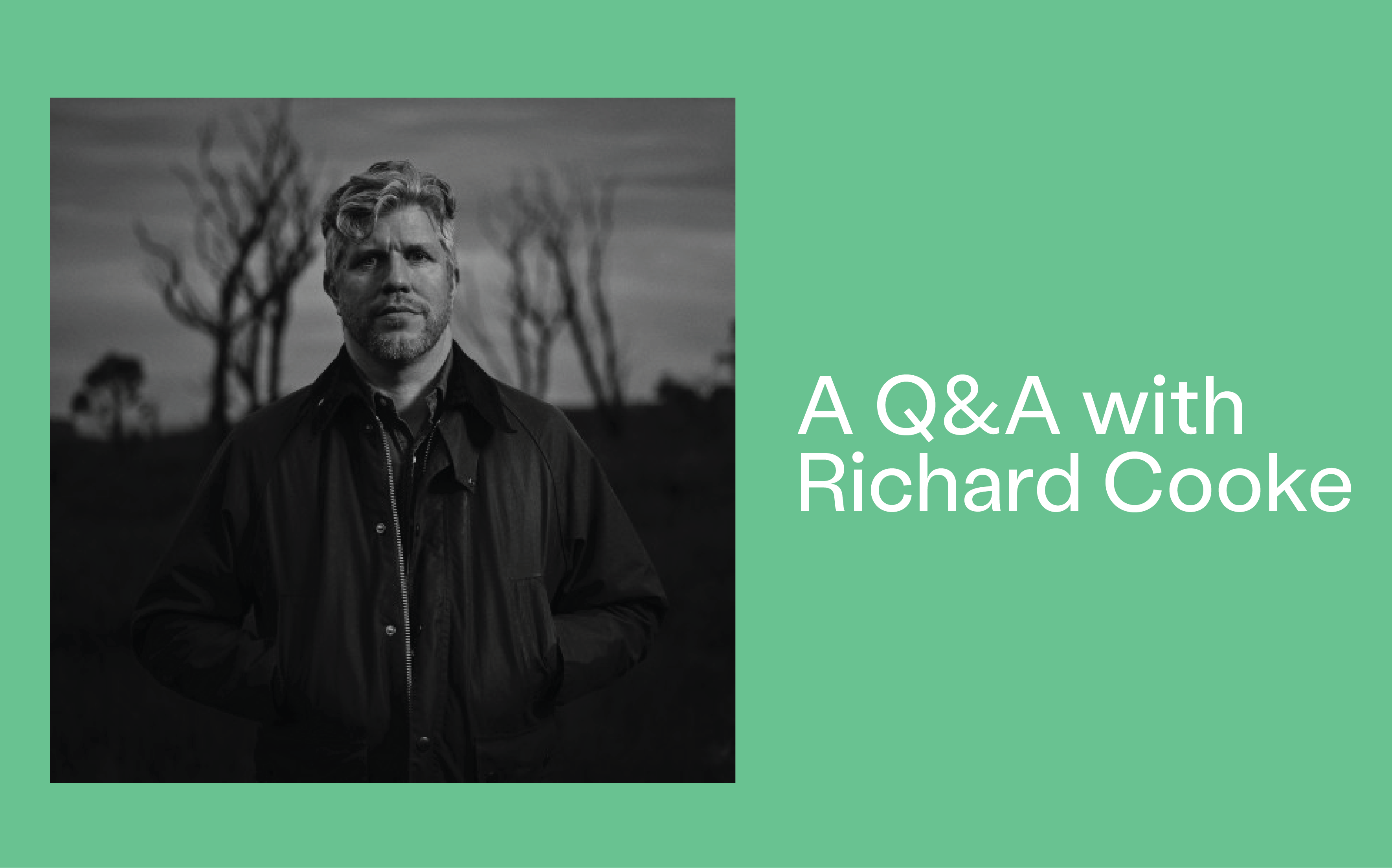
Q&A with Richard Cooke, author of The Last Best Place on the Internet
Richard Cooke, Walkley Award–winning journalist and contributing editor to The Monthly, chats with us about volunteer editors, online idealism and the strange, sprawling project that became the world's encyclopedia – all explored in his new book, The Last Best Place on the Internet: A Human History of Wikipedia, which publishes 13 October 2026.
What drew you to writing about Wikipedia?
How pervasive it is. It is easily the most influential self-contained knowledge source that has ever existed. It was consulted almost two trillion times in the past decade, by billions of people, and it’s such a deep part of the fabric of everyday life. Yet this strange bubble of incuriosity surrounds it. I was amazed that no general interest book had been written about it for such a long time. I began thinking Wikipedia should get more credit, and more attention, and then discovered these huge unanswered questions it provoked including “What is Wikipedia?” The Last Best Place is my answer.
What's the most surprising thing you discovered about how Wikipedia began?
There are so many - in some ways the first half of the book is about all of these surprises. One is Wikipedia’s relationship with Encyclopaedia Britannica. It’s so easy to fall back on the cliché of a fusty old company caught off-guard by a new digital “disrupter”. The opposite is true. Britannica spent decades preparing state-of-the-art responses to the electronic revolution. They had a free online encyclopedia before Wikipedia even existed. And when Wikipedia did arrive, there was a cordial relationship, with staff having lunch together and comparing notes. Not what I expected at all.
Wikipedia is written by millions of unpaid, mostly anonymous volunteers. Who are these people, and why do they do it?
There’s a huge range. Some people just edit a few typos - their entire “editing experience” could last only a few moments. For others, Wikipedia becomes their life’s work. Pleasure is central to the answer, For many people it’s a pleasant hobby, akin to collecting, or puzzle solving. You might start editing on a particular topic, and feel an urge to expand it or “complete” it, if such a thing is possible. Others enjoy fixing things, a bit like weeding a garden, or doing DIY. A few become obsessive. Neurodivergence is a huge part of the drive behind this mass-scale Wikipedia editing. The most dedicated might feel thwarted in their everyday life, and Wikipedia is a place where they can create meaning and order, or gain a reputation denied them elsewhere.
Have you ever edited Wikipedia? If so, what page?
Yes. I’ve edited under my own name, sometimes to fix typos. I’ve been in a brief edit war. I’ve also edited quite extensively under a pseudonym, for research purposes. I won’t say what those pages were, but it was more addictive than I expected.
Does Wikipedia get the credit it deserves, or do we take it for granted?
The short answer is that it doesn’t get enough credit, but there’s also a tendency for its supporters (me included) to overcompensate. It’s common to hear Wikipedia’s champions say things like “vandalism is always corrected quickly on Wikipedia”, which is just not true. The book doesn’t shy away from these foibles and failings, and with luck has more texture for it.
What do you see as Wikipedia’s biggest threat right now?
Artificial intelligence. It threatens so many aspects of the project, from its audience to its web traffic to its composition. There’s also something non-obvious which may be existential: Wikipedia still retains an encyclopedic form that is now hundreds of years old. AI is going to alter linear reading of human-authored writing in a foundational way. It may turn already existing encyclopedias into something more like a database, something which composes itself afresh in response to a prompt. That’s homogenising, and I think, sad.
What do you hope readers will take away from your book?
I hope they get a sense of why Wikipedia is important and strange. But more so, I hope they get a sense that Wikipedia is beautiful. We will never see anything like it again.

About the author
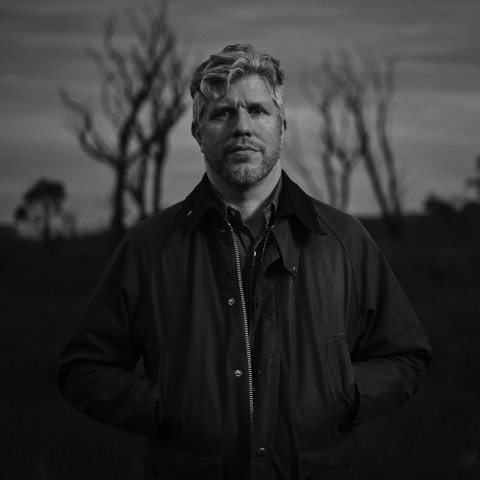
Richard Cooke’s writing has appeared in the Washington Post, The New York Times, The Guardian, The New Republic, WIRED and the Paris Review. His work been selected multiple times for the Best of Longform and Best Australian Essays, and he is a two-time Walkley winner and former Columnist of the Year. His fourth book, The Last Best Place on the Internet, is a cultural history of Wikipedia.
Author …
More about Richard Cooke
Buy the book