News
News > Interview
Linda Jaivin’s Madrid
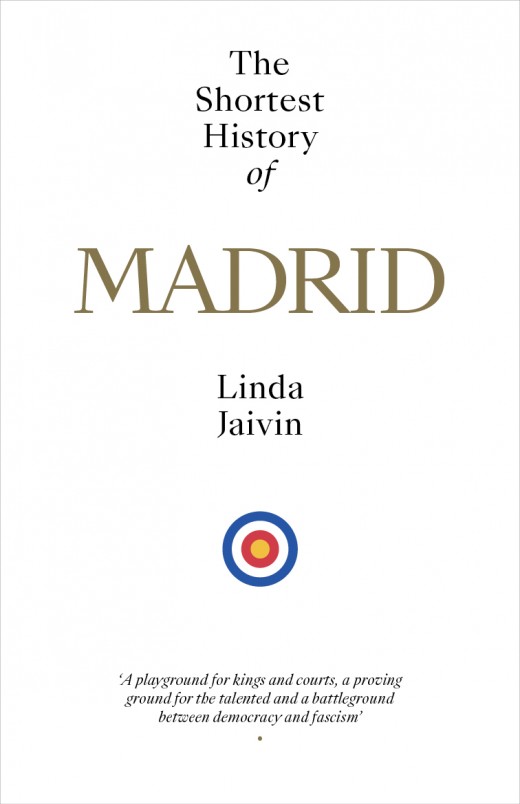
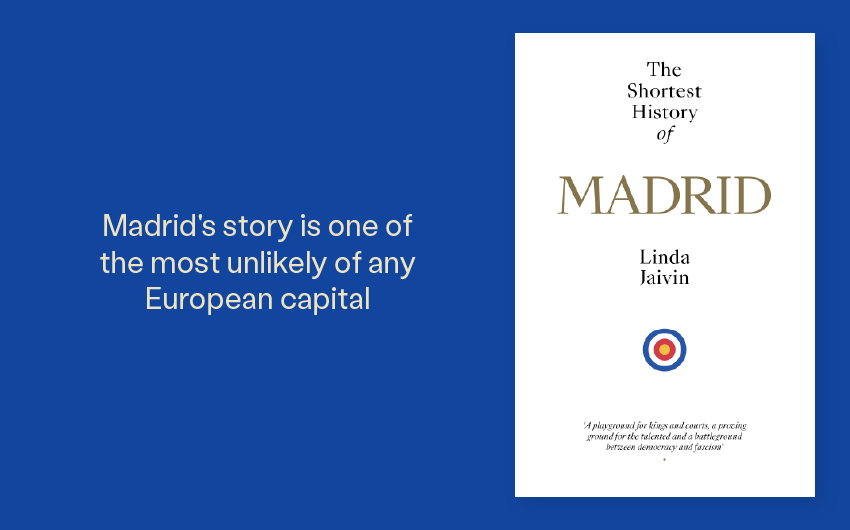
Madrid is a city that rewards curiosity: world-famous art and royal palaces sit alongside late-night bars, contemporary cultural spaces and streets filled with traces of a dramatic past. Linda Jaivin, author of The Shortest History of Madrid, takes us through some of the places and stories that bring the Spanish capital to life.
We asked Jaivin how she’d spend just 24 hours in Madrid, where she goes for contemporary culture, which period of the city’s history she’d most like to revisit, and what surprised her while researching the book.
If you only had 24 hours in Madrid, where would you go?
Churros and coffee. Have an early stroll in the Retiro. Spend quality time with Velázquez and Goya in the Prado. In Plaza Mayor, ignore tourists, imagine bullfights and fires and autos-da-fé. Tour the house-museum of Lope de Vega and get to know the rakish ‘Spanish Shakespeare’ of Spain’s Golden Age. Lunch late. Gaze at the Guadarrama Range from behind the Royal Palace. Take in the sunset from the Temple of Debod. Do a bar hop in Cava Baja. Dine late and kill the night in Chueca and Malasaña.
What’s the best local secret you’ve come across?
The network of contemporary arts centres. There’s always something interesting going on: film festivals, exhibitions, performances. I love the old shop signs of Lavapiés that are collected in La Casa Encendida’s central courtyard, and it’s a delightful amble through the Linear Park of the Manzanares to get to Matadero, the former Neo-Mudéjar slaughterhouse turned Civil War arms store turned culture hub. Conde Duque, housed in the impressive former quarters of the imperial guards, is another of my faves for its public library, which boasts a treasure house of Spanish-language books on Madrid.
What’s your favourite historical period connected to the city?
If I had to pick one, I’d say the Spanish Golden Age, with its mad abundance of literary and artistic talent, wild feuds, dangerous liaisons, extraordinary fashion trends and dedicated ‘gossip corners’. (Not quite as much fun for women as it was for men, of course, but few historical times are.)
What’s the most surprising fact you learned while researching or writing the book?
I knew about the ‘Pact of Forgetting’ but was still taken aback at how the historical narrative at the Museum of the History of Madrid comes to a screeching stop just before the Civil War. I asked a museum attendant about this. Despite the Civil War breaking out 90 years ago, and the dictatorship ending more than fifty years ago, she told me these topics were still ‘too sensitive’. Another local who leads dictatorship-themed walking tours only conducts them in English to avoid arguments with unreconstructed, stickybeaking Franco fans.
The Shortest History of Madrid by Linda Jaivin explores the people, passions, politics and culture that have shaped the Spanish capital, from its rise to imperial prominence to the vibrant city of today.

About the author
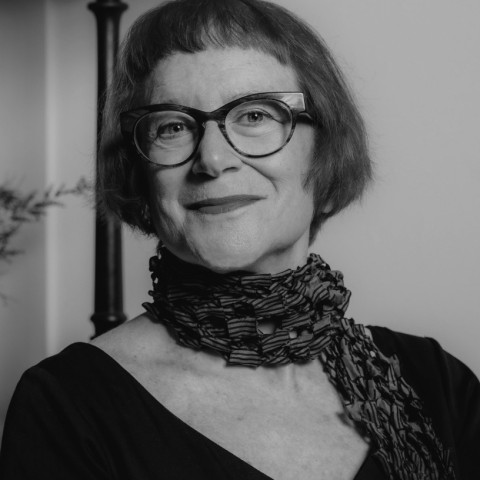
Linda Jaivin has been studying Chinese politics, language and culture for more than forty years. She has been a foreign correspondent in China, and is co-editor of the China Story Yearbook, an associate of the Australian Centre on China in the World at the Australian National University and the author of twelve books including The Shortest History of China.
Author photo by Anna Hay
More about Linda Jaivin
Buy the book